In an increasingly globalized world, bilingualism has become an asset for both personal development and future opportunities for children. Many families consider raising their children in a bilingual environment, either because two languages are spoken at home or because they want to provide this advantage from an early age. However, the process doesn’t come without its challenges. In our school, we witness firsthand how children navigate a multilingual environment, where Spanish, Catalan, and English are seamlessly integrated into their daily interactions through lessons, playtime, and routines. This exposure allows them to develop linguistic skills naturally across different languages while fostering adaptability and cultural awareness. Through this article, we will explore the benefits and challenges of bilingual education in childhood.
One of the greatest advantages of bilingualism is its positive impact on cognitive development. Children who learn more than one language tend to develop greater mental flexibility, enhanced problem-solving skills, and more effective multitasking abilities. Additionally, being bilingual fosters cultural awareness and empathy by exposing children to different ways of thinking and communicating, broadening their perspective and helping them appreciate diversity. It also enables them to adapt more easily to different social and linguistic contexts from an early age. Beyond these cognitive and social benefits, bilingualism can provide significant professional advantages, as speaking multiple languages is a highly sought-after skill in many careers.
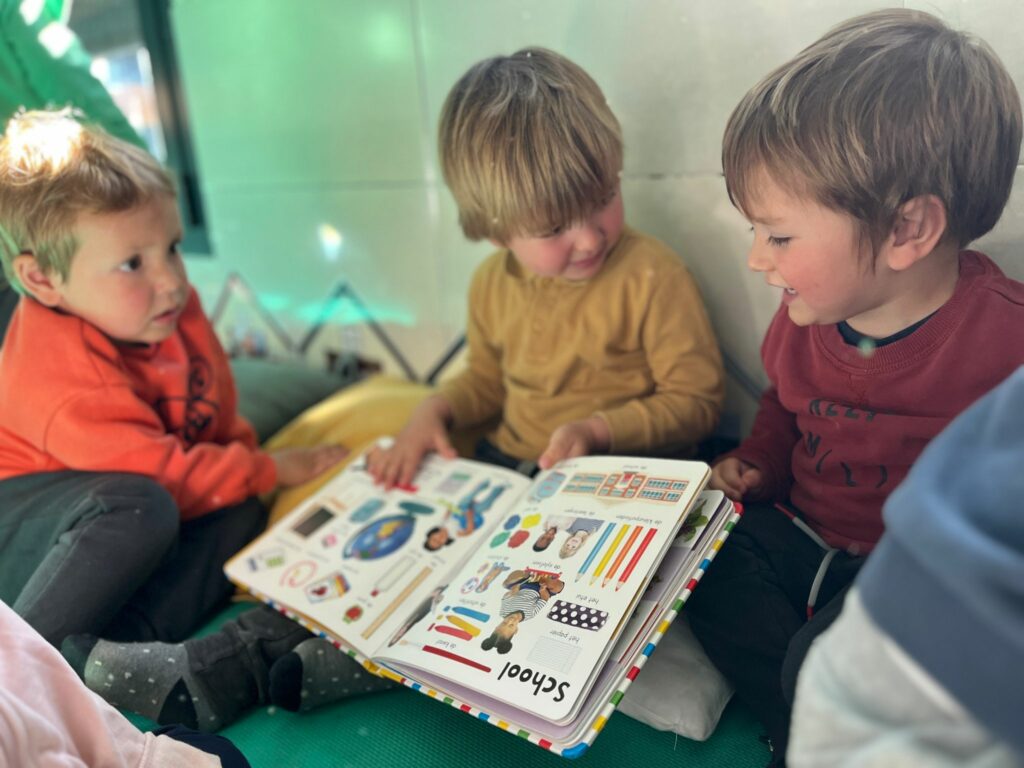
Despite these benefits, learning multiple languages also comes with challenges. One common concern among parents is the possibility of language confusion, as bilingual children may initially mix words from both languages or take a little longer to say their first words. However, these are natural aspects of the learning process and usually resolve over time as their language skills develop. Another challenge is the variation in proficiency levels between languages—depending on exposure and practice, children often become more fluent in one language than the other. Mastering two languages takes time and effort, which can be challenging for both children and their families. However, with consistent support and ample exposure to all languages, children can gradually build confidence and proficiency in each one.
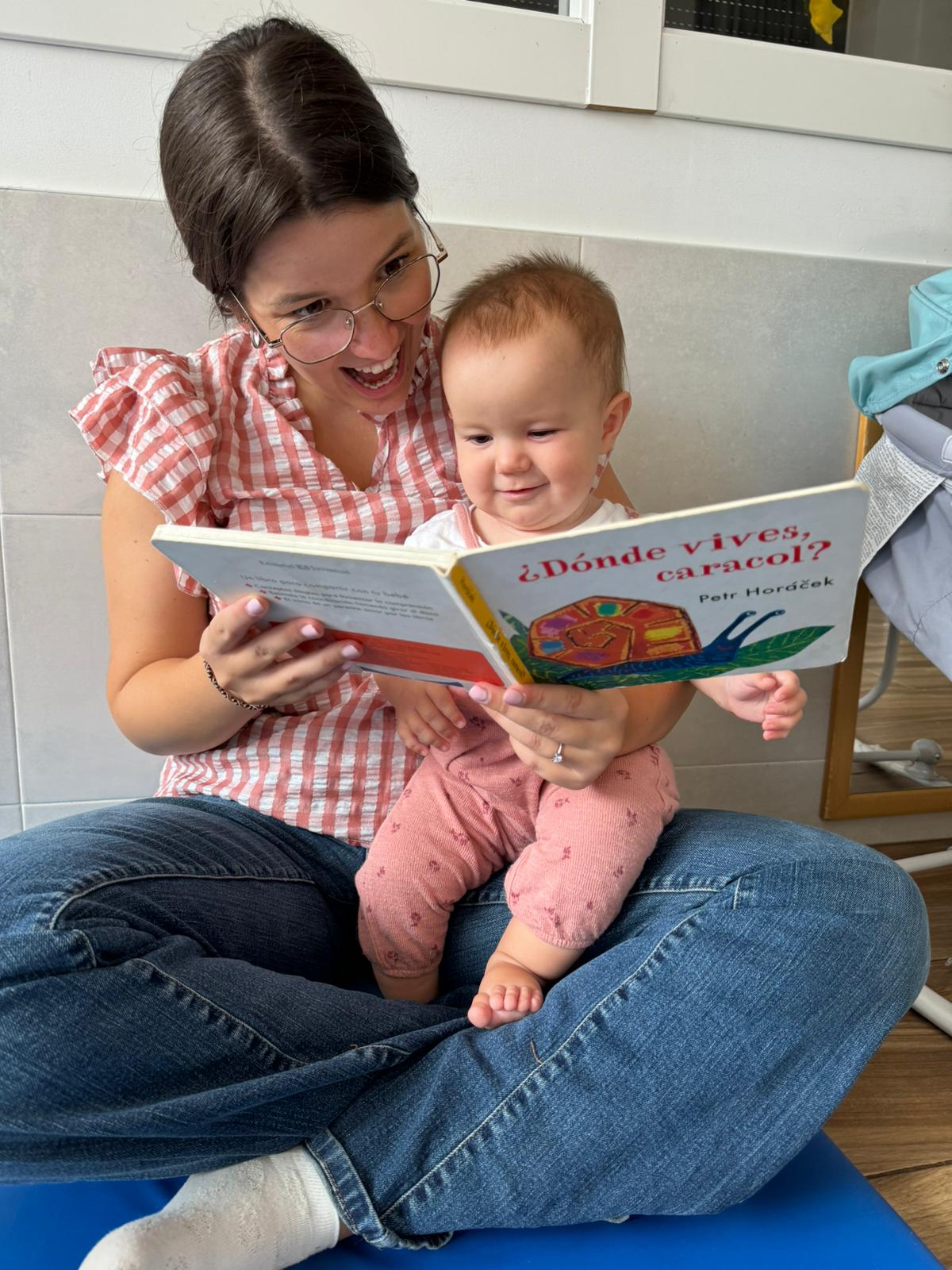
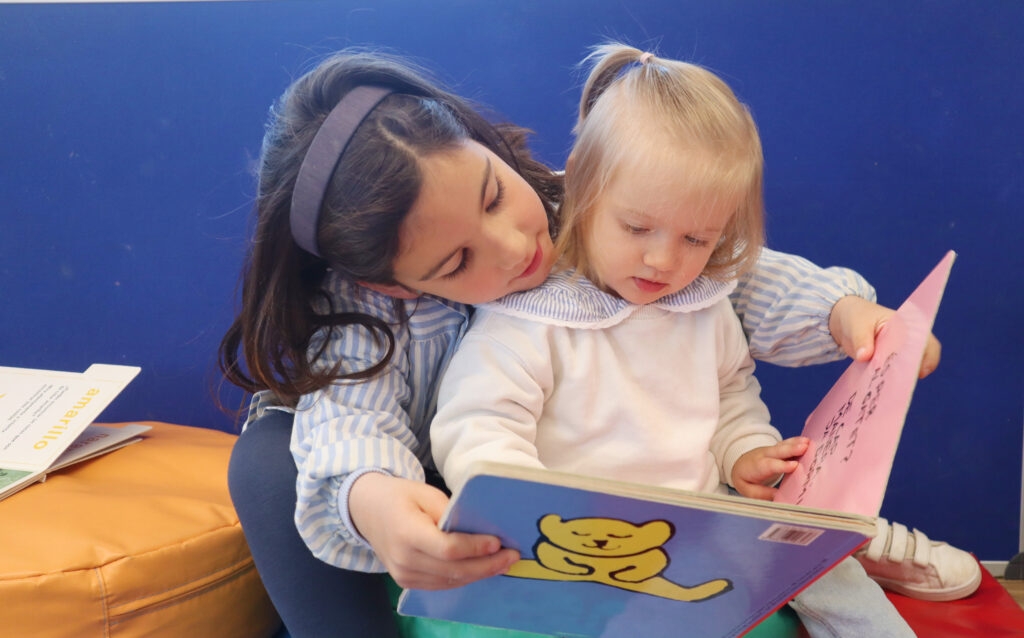
Supporting bilingual children starts with creating a language-rich environment where they can naturally develop their skills. Engaging daily interactions—whether it is through conversations, books, songs, or games—help reinforce learning in both languages in a more natural and enjoyable way. Additionally, establishing clear language-use patterns at home, such as one parent speaking one language while the other speaks the second, provides structure and consistency, making it easier for children to differentiate between languages. On the other hand, exposure to native speakers further enhances fluency and builds confidence, allowing children to use both languages more naturally in different social contexts. Most importantly, maintaining a positive and stress-free approach ensures that language learning remains an enjoyable experience, fostering long-term motivation and success.
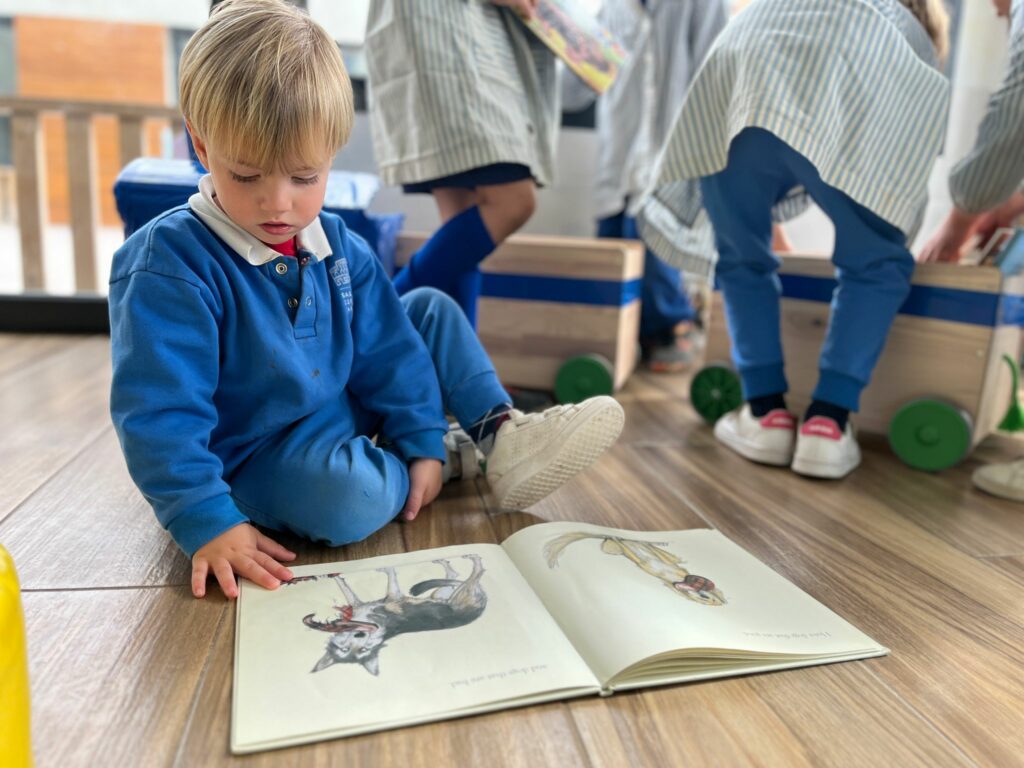
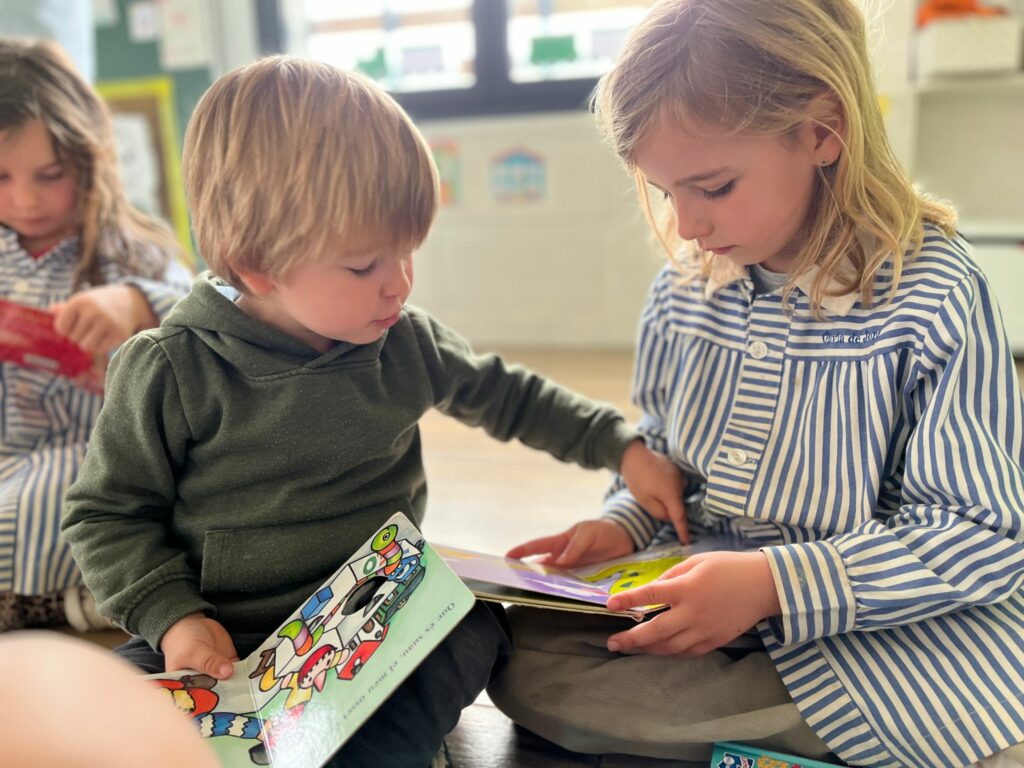
Ultimately, raising a bilingual child is a wonderful gift that offers lifelong benefits. Although the journey may present obstacles, with the right support and consistent exposure, children can successfully develop skills in multiple languages and fully enjoy the advantages that bilingualism brings.