

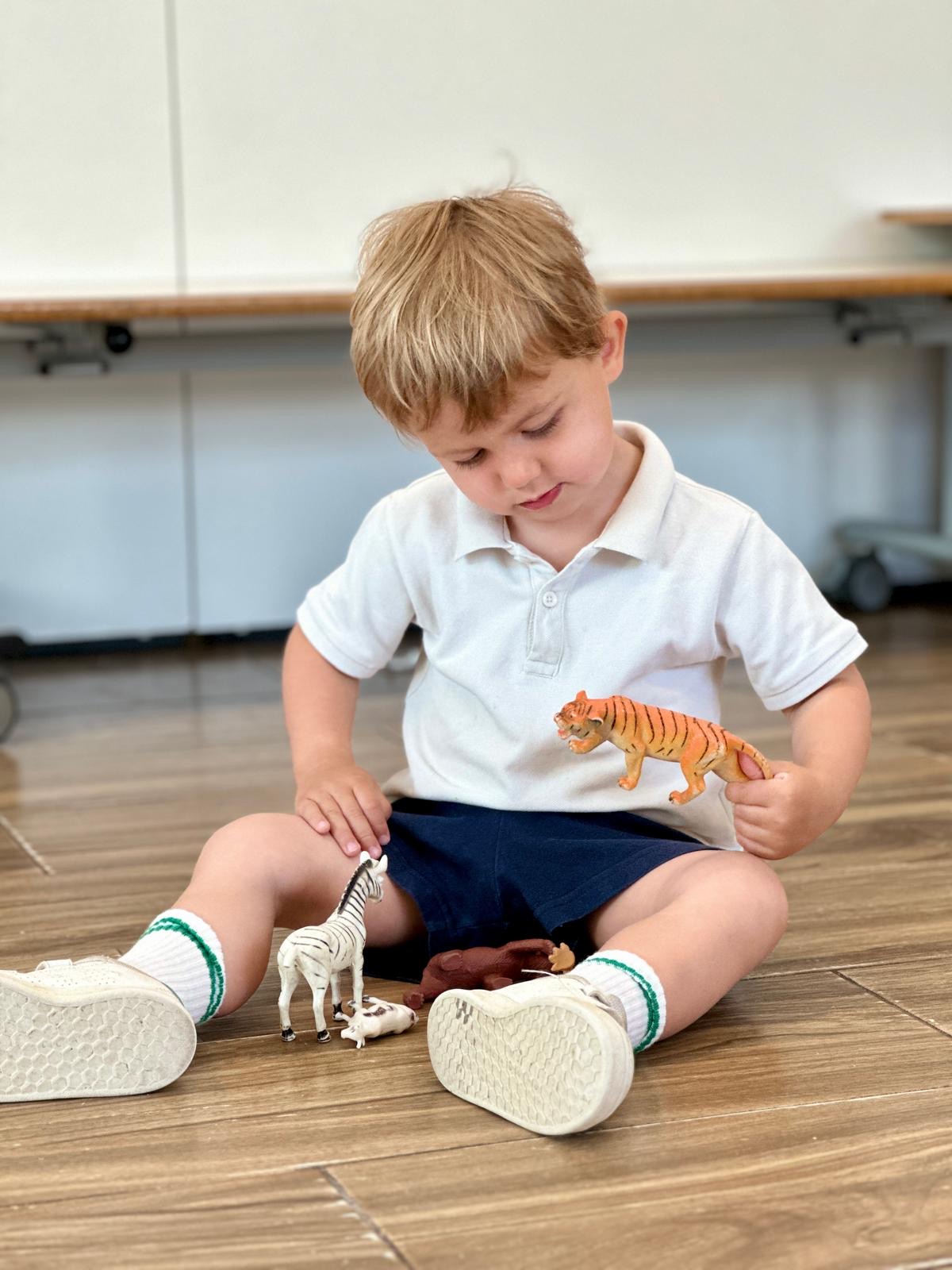
In the 0 to 6 age range, children’s development is deeply connected to exploration, movement, and interaction with their environment. In this context, free play becomes an essential tool for fostering meaningful learning. However, nowadays, the use of screens such as televisions or tablets has become increasingly common in daily life, often replacing experiences that are far more enriching for children’s development.
As early childhood educators, we know that free play is not simply a way to “pass the time.” It is a key activity that allows children to develop cognitive, social, emotional, and motor skills. Through spontaneous play, children experiment, make decisions, solve conflicts, and develop their creativity without the constant guidance of an adult.

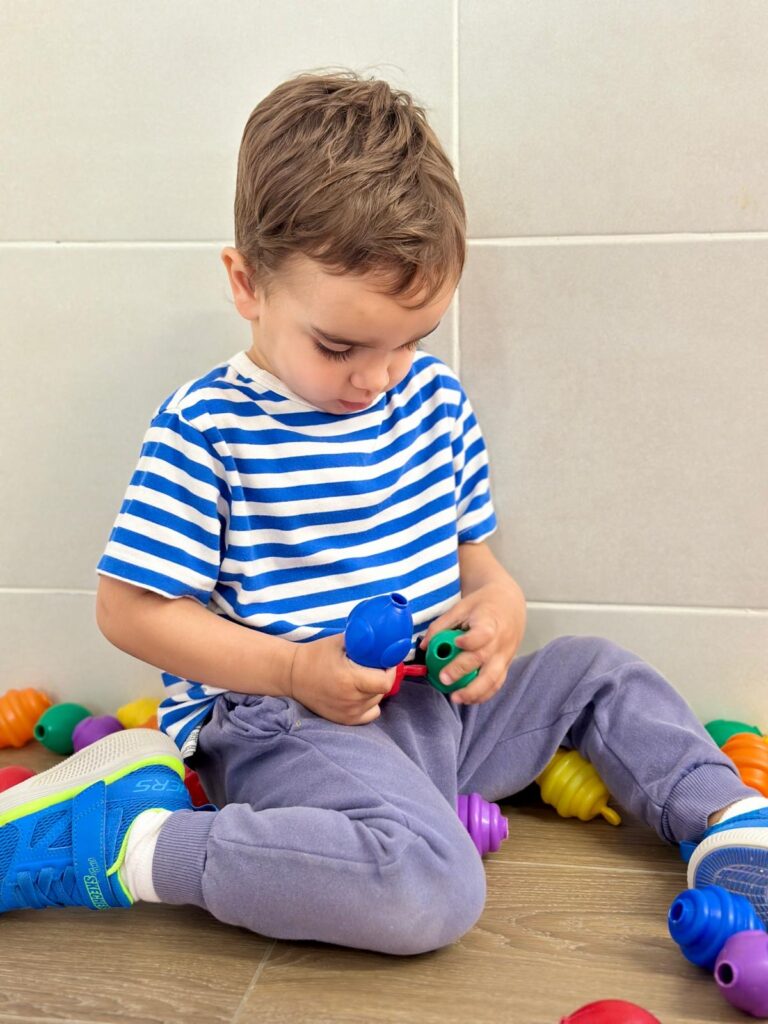
For this reason, it is important to offer real and accessible alternatives to screens, both at home and outdoors. In everyday situations such as waiting at a restaurant, sitting in a waiting room, or traveling by car, we can turn to simple activities that keep children engaged without the need for devices. Games like “I Spy”, making up stories together, singing songs, counting objects of a certain colour, or guessing sounds are simple and highly effective options. We can also bring small items such as storybooks, crayons and paper, stickers, or travel-sized manipulatives. In the car, listening to stories or children’s music and talking about what we see outside can become a rich shared experience.
Some simple ideas that can help in daily life include the following:
First, creating spaces for symbolic, socio-dramatic play. Play kitchens, dolls, costumes, or small construction sets allow children to represent everyday situations, express emotions, and develop language. There is no need for complex materials; everyday objects such as boxes, fabrics, or recycled items can become valuable resources.
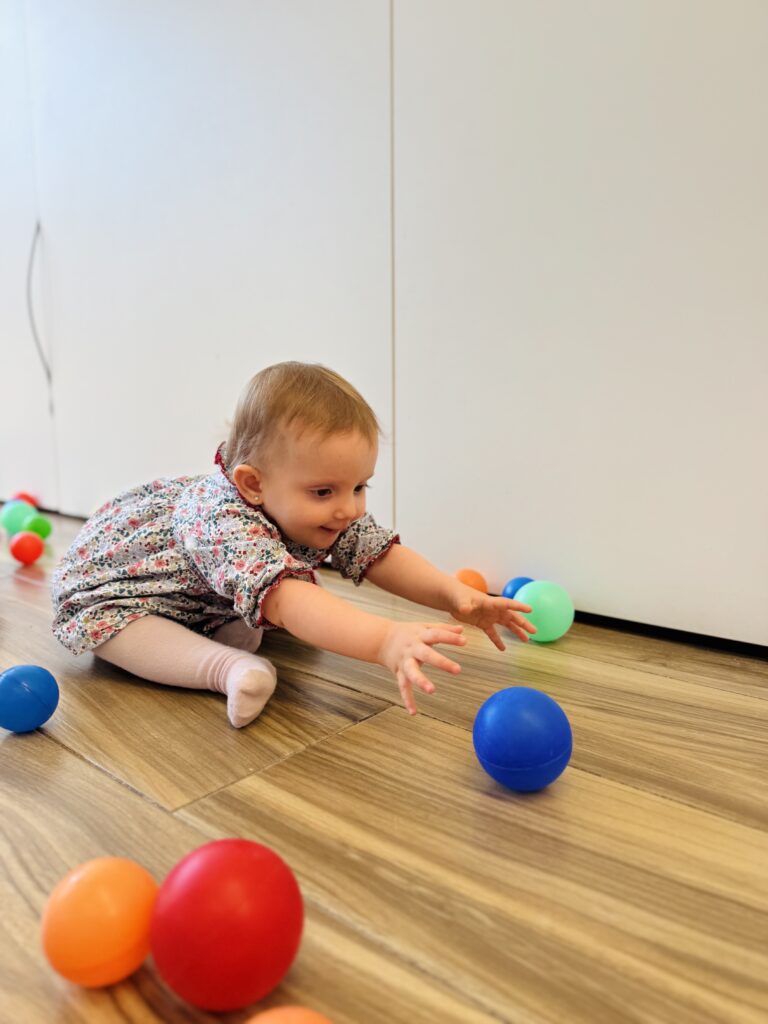
Another very valuable alternative is outdoor play. Going to the park, exploring nature, or simply playing in an open space supports physical development and autonomy. In addition, contact with the natural environment stimulates curiosity and observation.
We can also encourage hands-on activities such as puzzles, building blocks, playdough, or painting. These types of play help develop fine motor skills, concentration, and creativity. It is important to allow children to experiment without fear of getting messy or making mistakes.
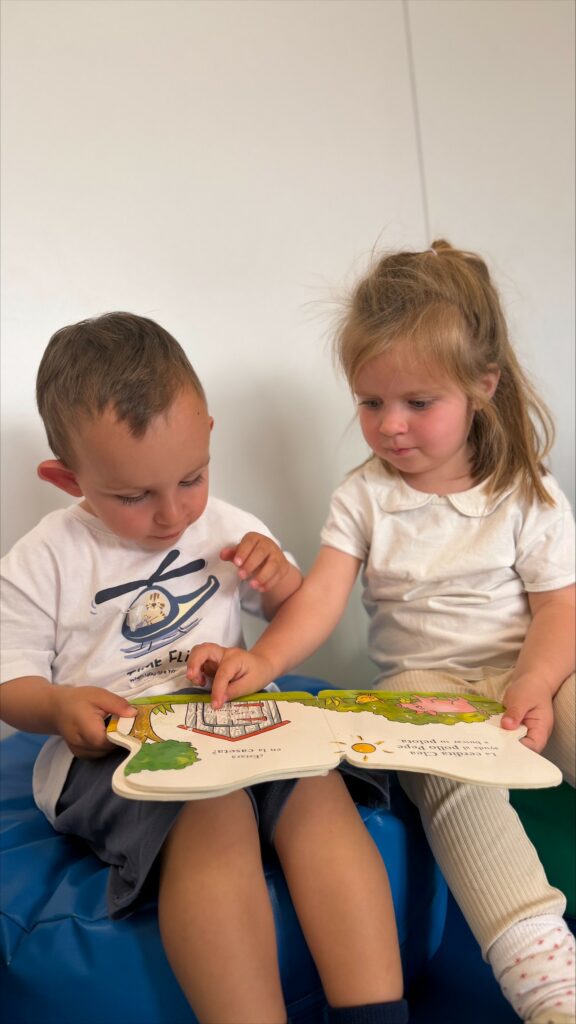
Finally, we should not forget the value of shared family time. Reading stories, singing songs, or simply playing together strengthens emotional bonds and provides a sense of security. In many cases, what children need most is not digital stimulation, but the presence and attention of an adult.


Reducing screen use does not mean eliminating it completely but rather using it in a conscious and balanced way. Offering free play alternatives allows children to grow in a healthier way, in line with their developmental needs.
As a school, we encourage families to rediscover the value of spontaneous play. It is in these seemingly simple moments that the most important learning takes place.