

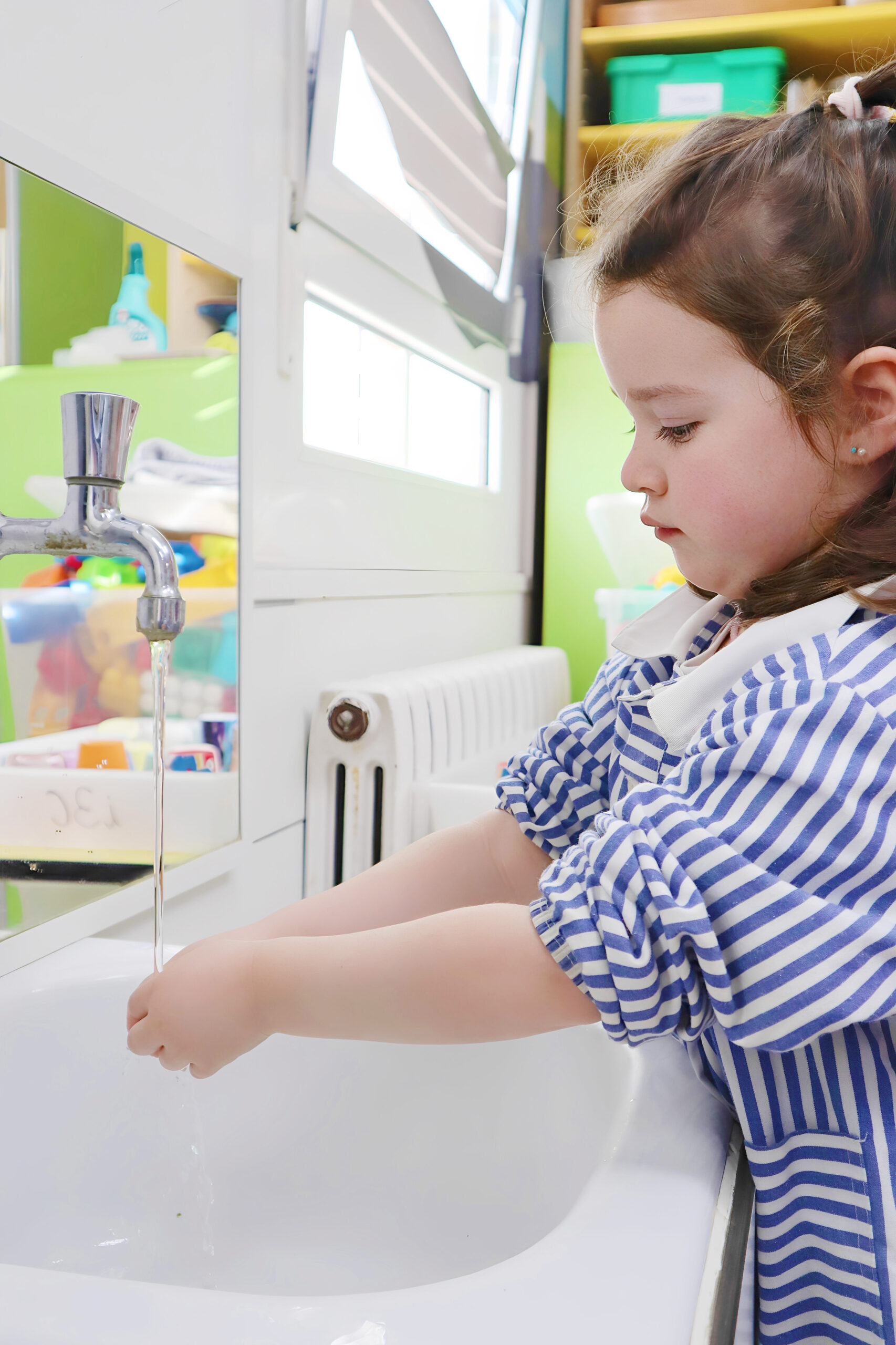
How often do we find ourselves tidying away our children’s toys, packing their school bags, getting them dressed or putting on their shoes simply because we are in a hurry or because we assume they are still too young to manage these things on their own? More often than not, with the very best intentions, we end up doing things for them which, given a little time, encouragement and support, they could already begin to do for themselves.
Yet growing up also means learning to manage small everyday tasks independently. Taking care of their belongings, becoming involved in daily routines and helping out with household chores are all essential aspects of early childhood development. The aim is not simply to make children more self-sufficient, but to help them feel capable, valued and actively involved in family life.
Responsibility is something children learn from an early age through the small, everyday actions that gradually become habits. When a child puts away a toy after playing with it, leaves their shoes in the right place or helps set the table, they are learning far more than how to complete a particular task. They are developing independence, initiative, organisational skills and a sense of responsibility. They are also discovering that they are part of an environment in which everyone has a role to play and where their contribution genuinely matters.
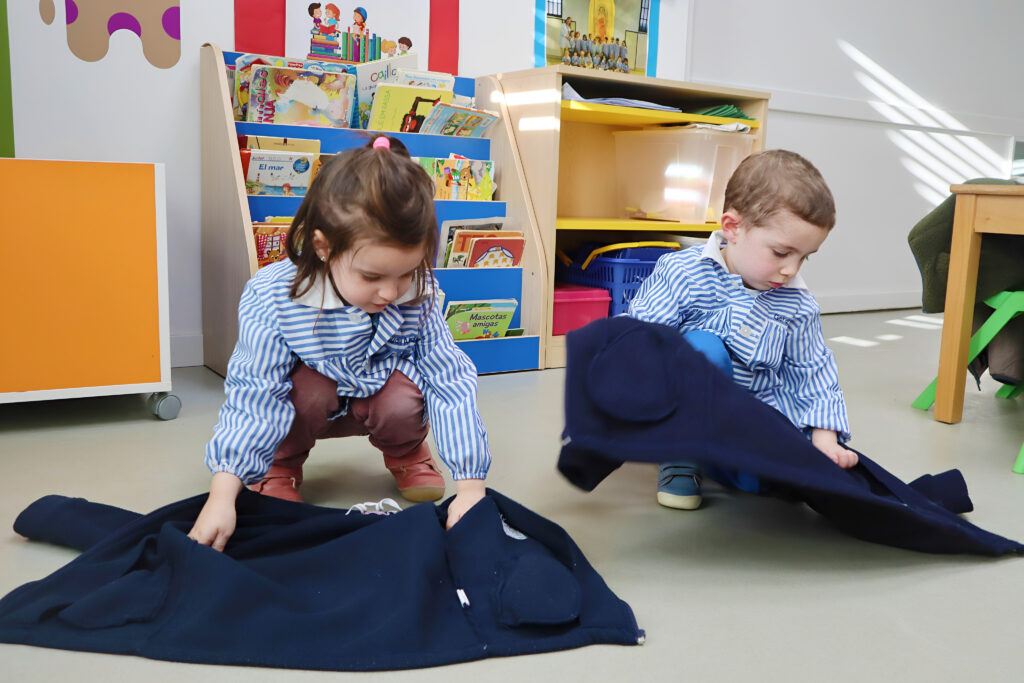
During the early years, children are naturally eager to explore, experiment and do things for themselves. By the age of two or three, they can already begin to take part in simple household tasks, such as tidying away their toys with some assistance, putting books back on the shelf, placing dirty clothes in the laundry basket, leaving their shoes in their designated place or taking their plate to the kitchen after a meal. They may not get everything right, but what matters most at this stage is that they begin to develop the habit of looking after their own belongings.
As they grow, between the ages of three and four, they can gradually take on small responsibilities with increasing independence. They can begin to dress and undress themselves, put their school bag away when they get home, tidy up their belongings, help set the table with simple items, water the plants or help put things away after playing. They can also become involved in everyday routines, such as choosing and preparing their clothes for the following day with an adult’s guidance.
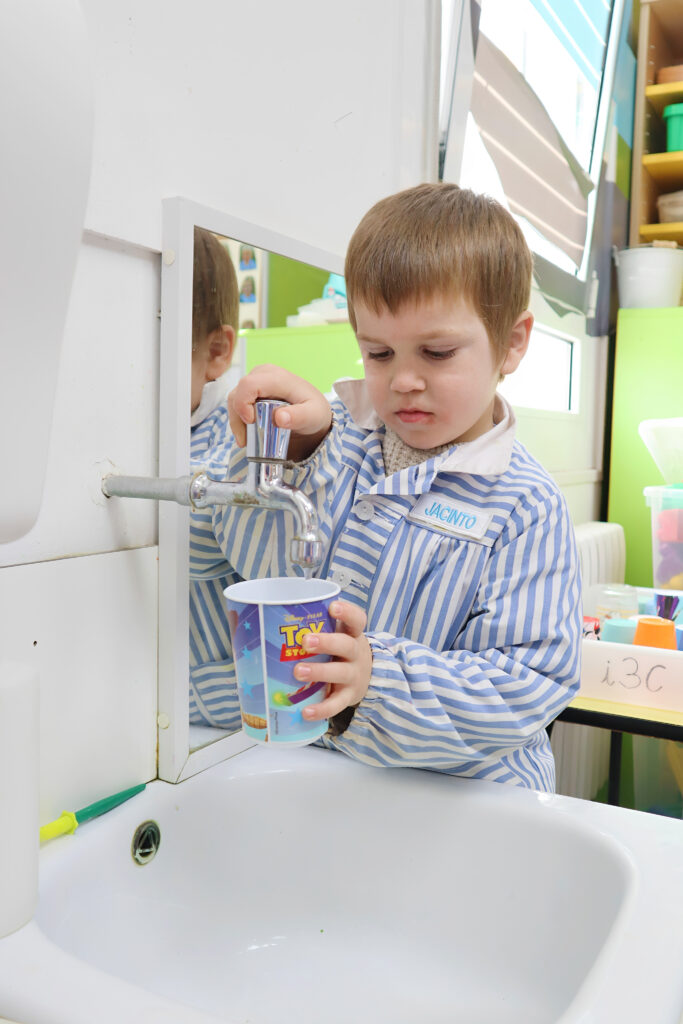
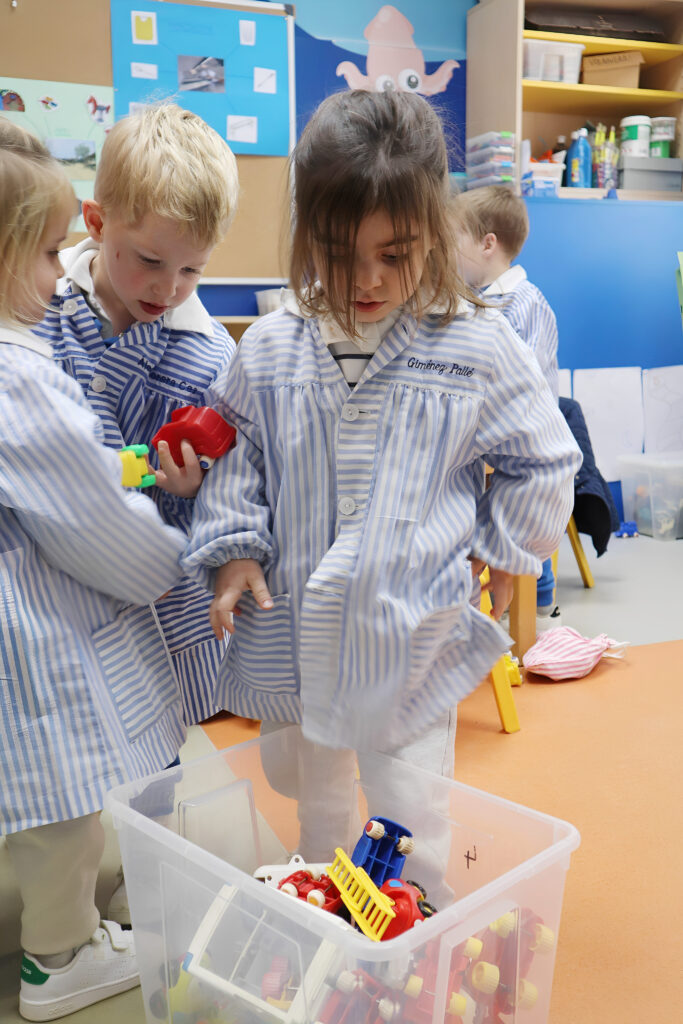
Between the ages of four and six, children are ready to take on greater responsibilities and become more actively involved in family life. They can prepare their school bag with adult supervision, lay out their clothes for the following day, help keep their bedroom tidy, set and clear the table, put away the toys and materials they have used or help unpack and put away the shopping. These small actions, repeated day after day, help children build confidence and understand that they, too, can contribute to the smooth running of the household.
Naturally, every child develops at their own pace, and these age ranges should be regarded as general guidelines rather than fixed expectations. We should not expect all children to acquire the same skills at the same time, nor should we expect them to perform every task perfectly. What matters is giving them opportunities to practise, supporting them when necessary and gradually stepping back as their confidence and abilities grow.
As parents and carers, we play a crucial role in this process. One of the most important things we can offer our children is time. Often, because of the morning or evening rush, we end up dressing them, tidying up after them or getting everything ready on their behalf. However, if we want to encourage independence, we need to give them the opportunity to try, even if it takes longer or the result is not quite perfect. Showing confidence in their abilities is one of the most powerful ways of letting them know that we believe in them.
Establishing simple, consistent routines is equally important. Having a designated place for everything, putting toys away before moving on to another activity or always leaving their school bag in the same place are small habits that help children develop organisational skills. We can make this process easier by giving clear instructions, setting a good example and, above all, initially taking part in these routines alongside them.
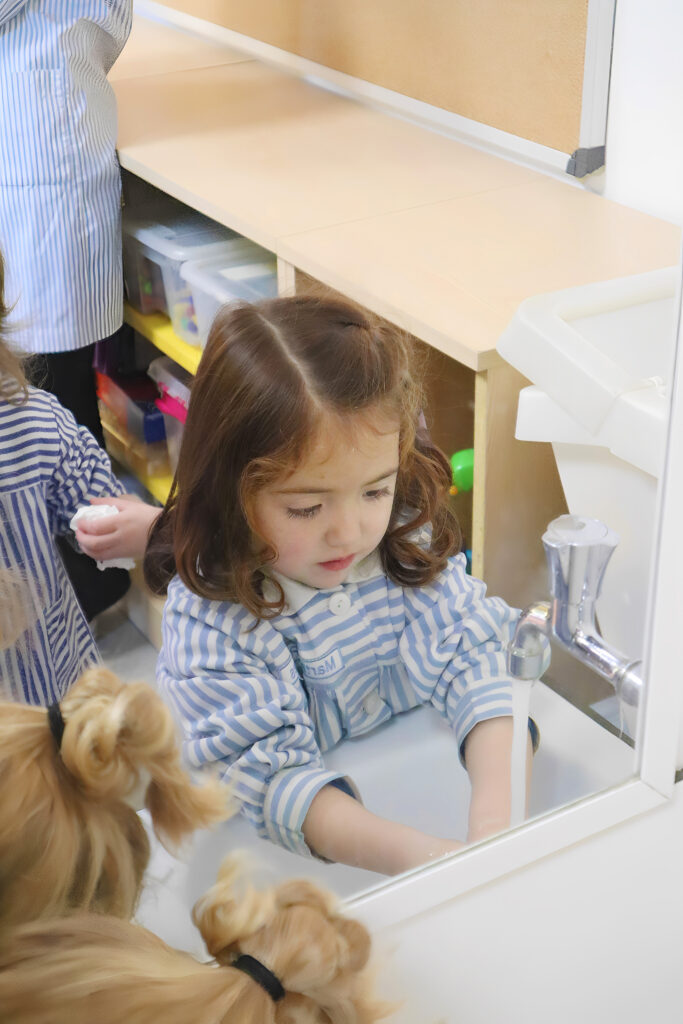
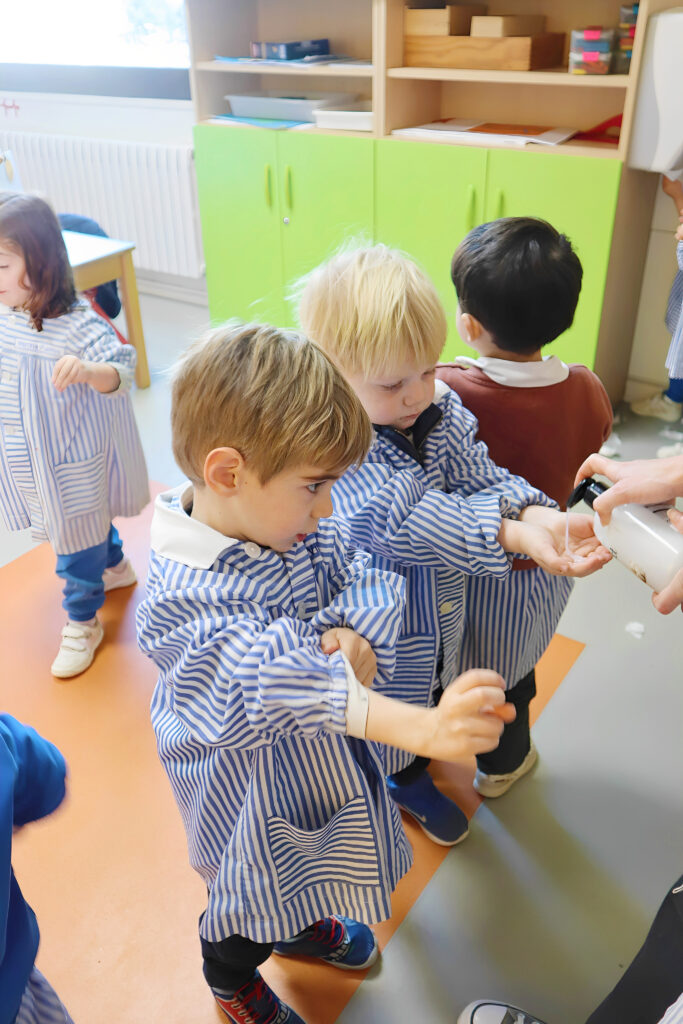
Another essential aspect is to value effort rather than focusing solely on the outcome. When a child tries to get dressed independently, tidies away their toys or helps set the table, it is important to acknowledge their initiative and encourage them to keep going. There is no need to constantly correct everything they have not done perfectly. Children need to feel capable and to understand that their small achievements are meaningful.
We should also remember that making mistakes is an essential part of learning. If children forget to put something away or need help completing a task, we can use these moments as opportunities to remind them of what needs to be done and guide them towards finding a solution. Patience, consistency and trust are fundamental to helping these habits become a natural part of everyday life.
Helping out at home should never be seen as a punishment or an unwelcome obligation, but rather as a natural way of being part of a family. When children take part in everyday household tasks, they learn that living together also means helping one another, sharing responsibilities and taking care of the spaces and people around them.
At school and at home, we can work together to nurture these important life skills. Every opportunity we give children to do things for themselves is an opportunity for them to grow, develop confidence and discover what they are capable of achieving. Our goal is not to make life easier for our children by doing everything for them, but to help them discover that they are capable of doing things for themselves.
