

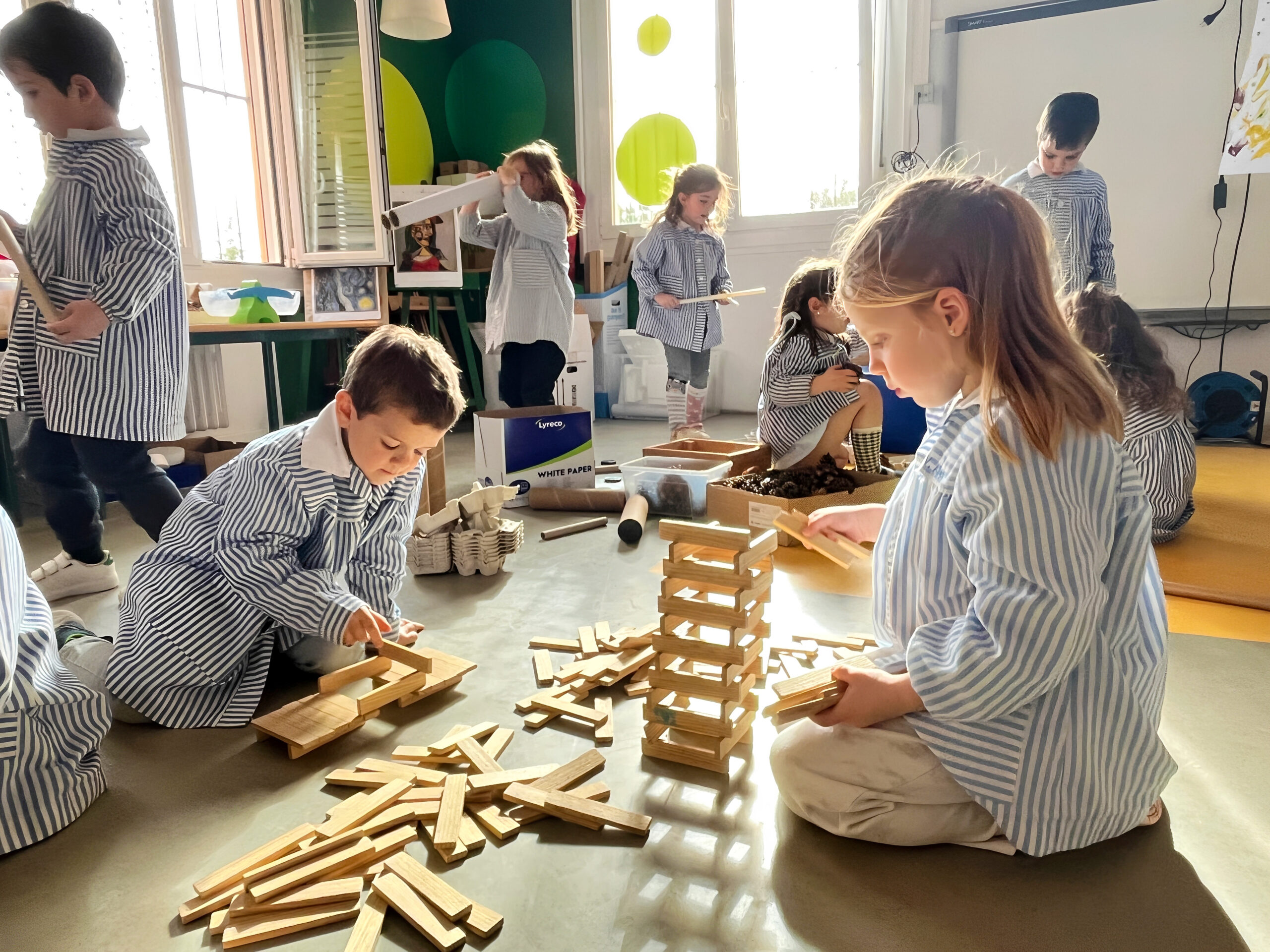
Screens are everywhere. They help us work, stay informed, and connect with others. For children, they can also be a source of entertainment and learning. However, when screens become the center of daily life, we often start to notice small changes: conversations become shorter, routines feel more rushed, and quiet moments are filled with constant stimulation.
Finding balance does not mean eliminating screens completely. It means learning how to live with them in a healthy way, so that family life still has space for calm, connection, and shared time.
One of the most effective ways to reduce stress around screen use is to create predictable routines. Children feel safer when they know what comes next. When expectations are clear, it becomes easier for everyone to cooperate.
Many families find it helpful to protect certain moments of the day as screen-free. Meals, mornings, and the last part of the evening are often the moments where connection matters most. These are the times when children naturally talk about their day, share worries, or ask questions that might not appear in a busy moment. Keeping these spaces free from screens can make family life feel more present.
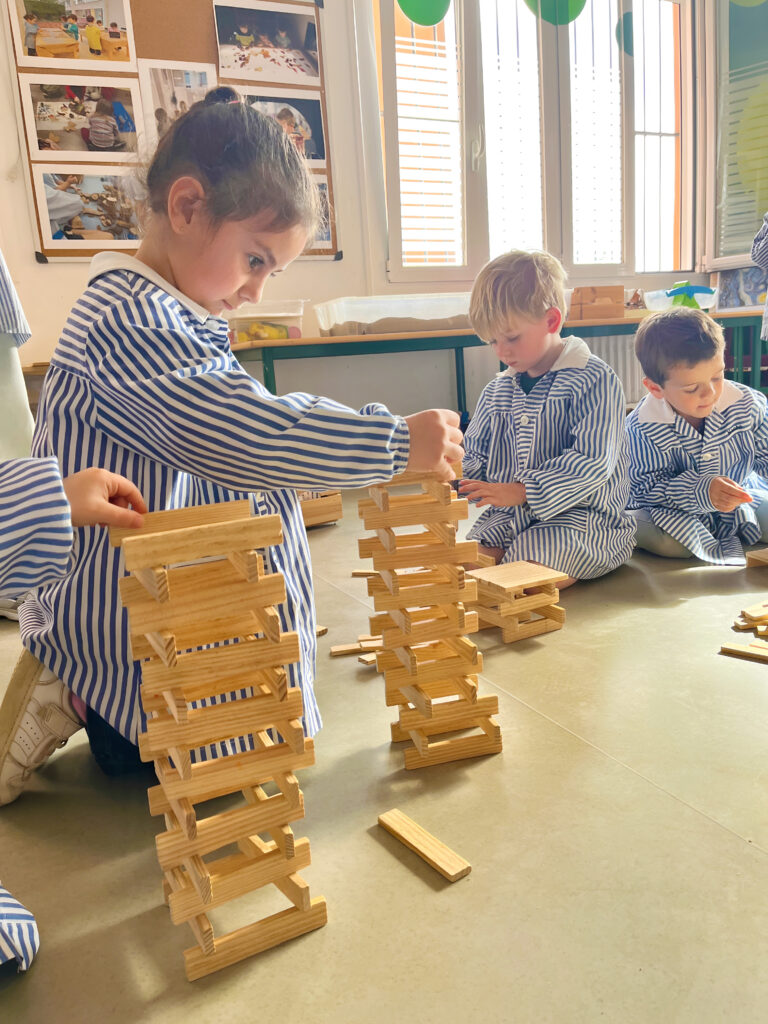

At the same time, children need alternatives that feel enjoyable, such as activities that bring movement, creativity, and interaction. Reading together, playing board games, drawing, cooking, building with blocks, doing puzzles or simply going outside for a walk can become simple but meaningful routines. These activities do not need to be long or perfectly planned. What matters is that children feel engaged and connected.
It is also important to remember that adults set the emotional tone at home. Children learn from what they see. When parents put their phones away during meals, conversations, or playtime, they send a strong message: family time matters. This does not require perfection. Even small changes, repeated consistently, can have a big impact.


Of course, there will be days when routines do not work as planned. Busy schedules, tiredness, or unexpected events can make screens feel like the easiest solution. That is normal. The goal is not strict control, but a healthy rhythm that supports well-being. A harmonious home is not a home without screens; it is a home where screens do not replace real connection.