

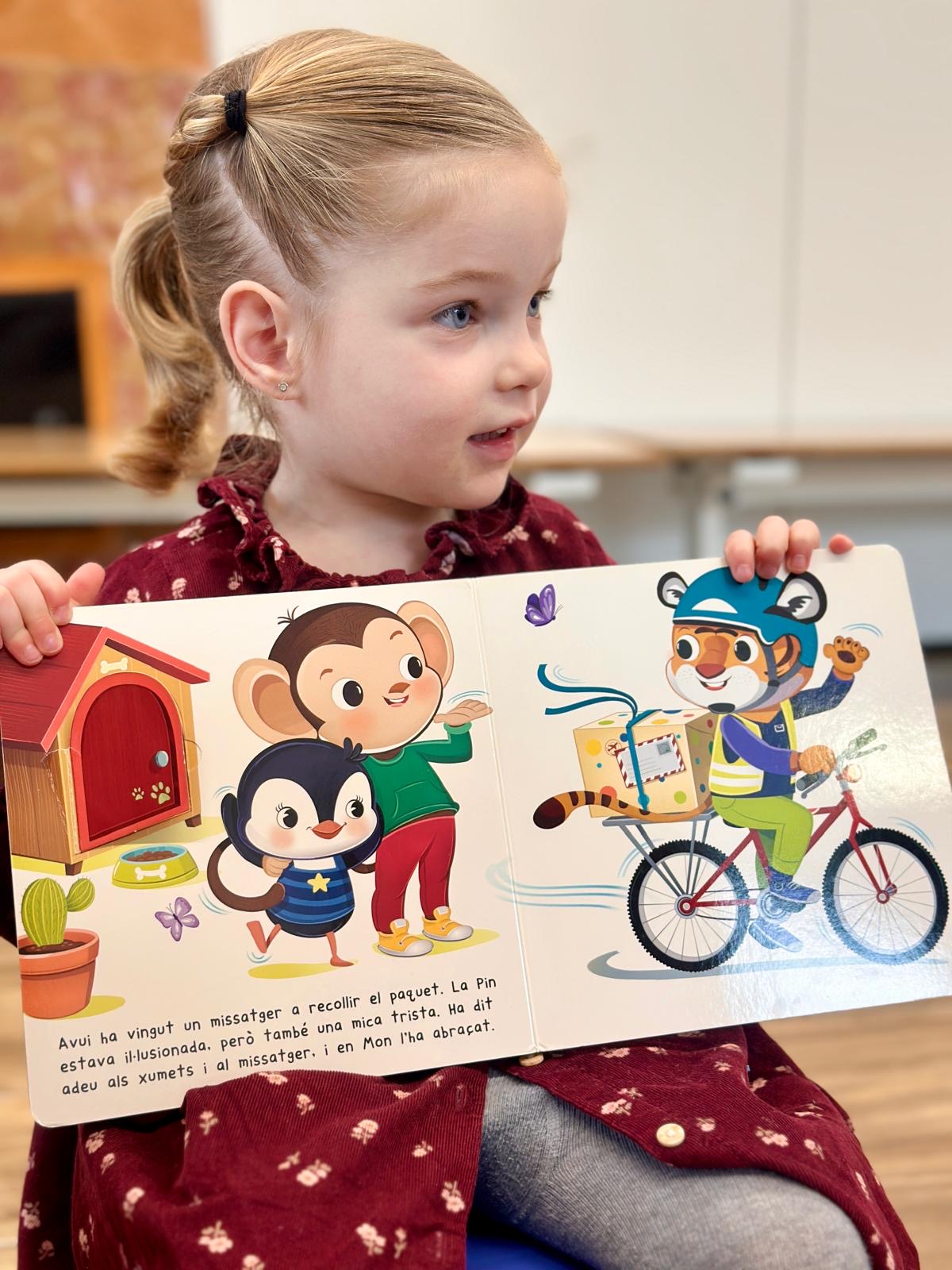
When we think about language, we usually imagine children saying their first words. However, language begins to develop from birth — and even before — through looks, gestures, sounds, and emotions. Between the ages of 0 and 3, children are great communicators, even though they do not yet use spoken language in the same way adults do.
First year of life (0–12 months)
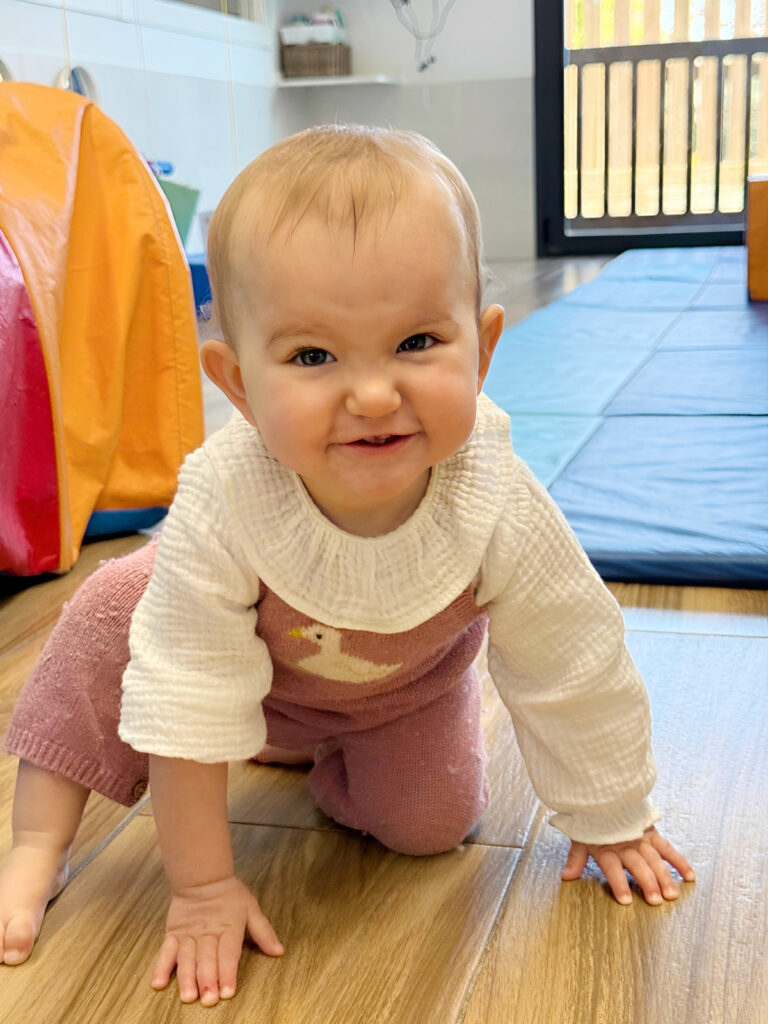
During the first year, babies communicate mainly through their bodies and emotions. Crying is their first “language,” and little by little, other communicative resources appear:
• Smiles, eye contact, and body movements.
• Babbling and vocal play.
• Responses to familiar sounds and to the voices of their primary caregivers.
• Recognition of their own name.
• Understanding of simple words such as “no,” “mom,” or “come.”
At this stage, it is essential to talk to them frequently, even if they do not yet understand everything. When adults respond to their sounds, look at them, and speak to them with affection, we teach them that communication is valuable and enjoyable.
Second year of life (12–24 months)
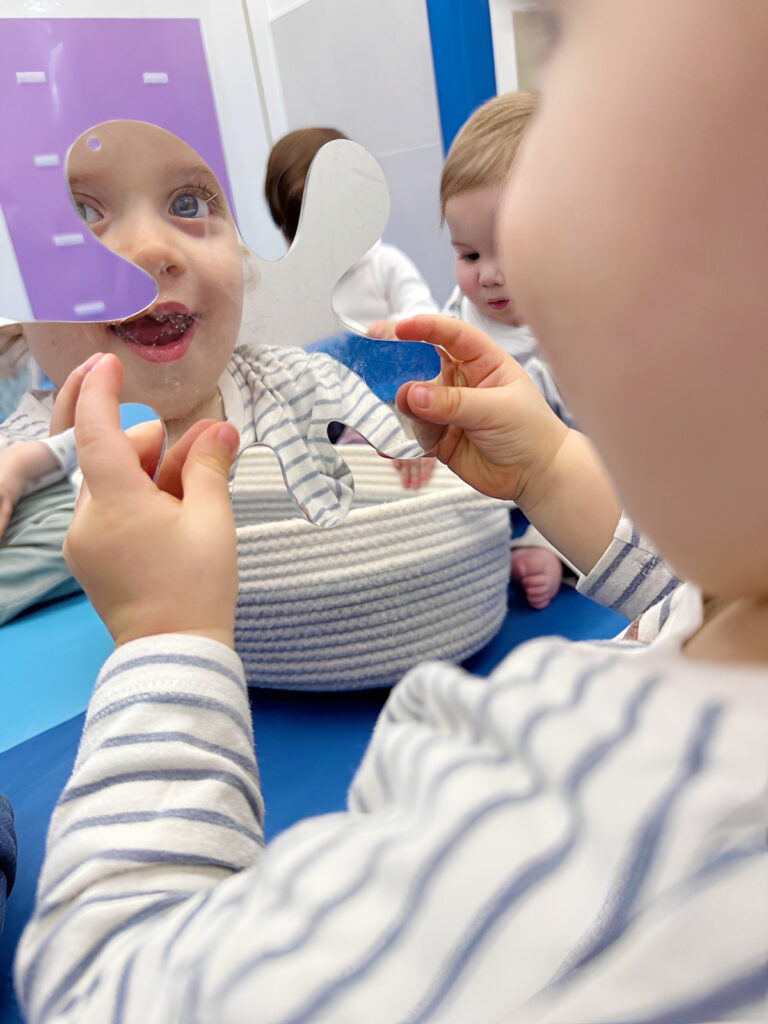
Between the first and second year, many children begin to say their first meaningful words. These words are usually related to close people, everyday objects, or basic needs.
Some important aspects of this stage include:
• Receptive language is more developed than expressive language: children understand more than they can say.
• They use gestures (pointing, showing) to communicate.
• They begin to use words to ask for things, protest, or share experiences.
• Each child has their own pace: some speak earlier and others later.
It is important not to compare children and to trust each individual developmental process, always offering a clear and rich language model.
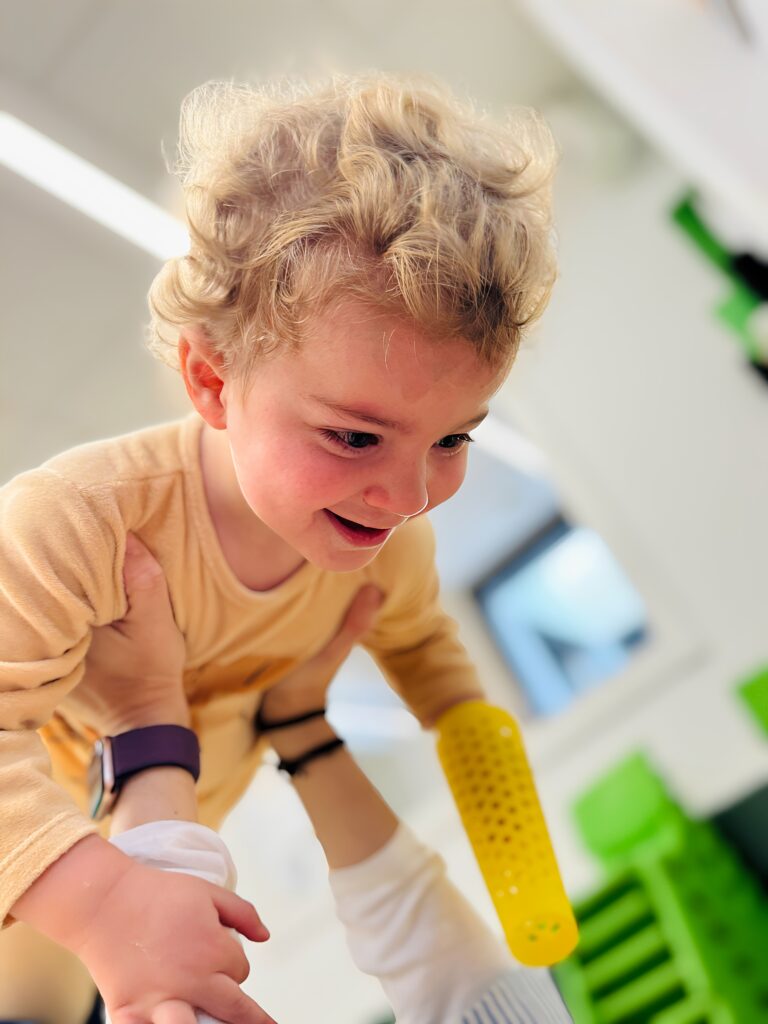
Third year of life (24–36 months)
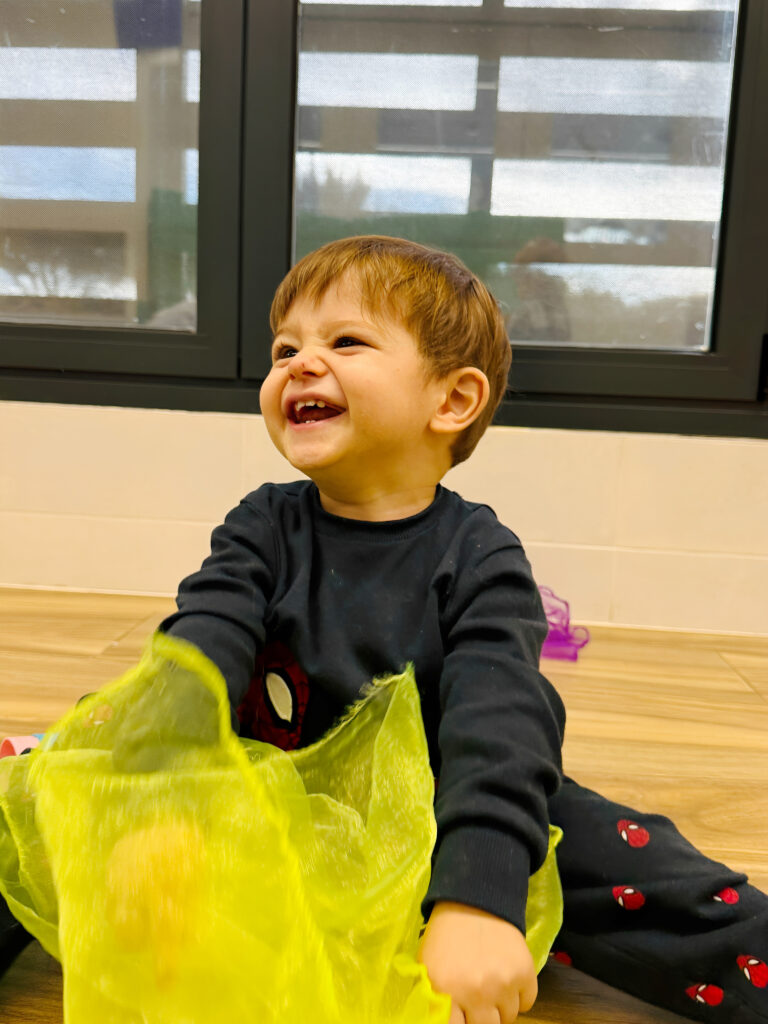
From the age of two, language usually progresses very quickly. This is the stage when simple sentences appear and vocabulary grows significantly.
During this period, children:
• Combine two or more words.
• Ask questions and express desires.
• Begin to narrate short experiences.
• Use language to relate to others and to regulate their emotions.
Language becomes an essential tool for play, social interaction, and learning.
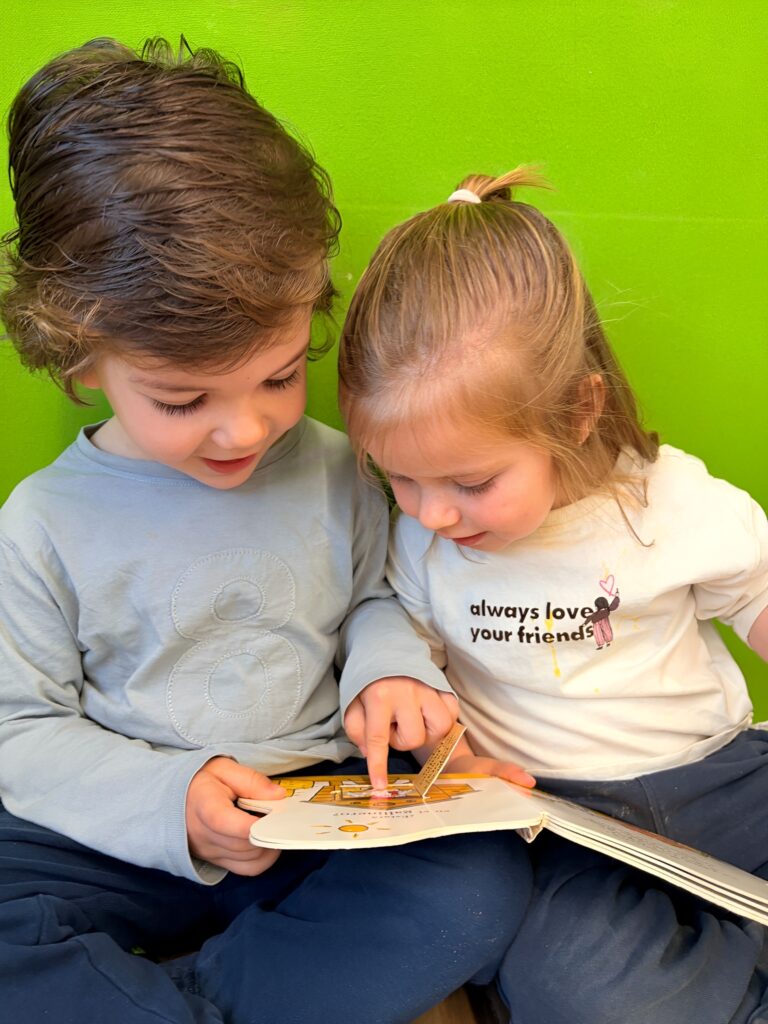
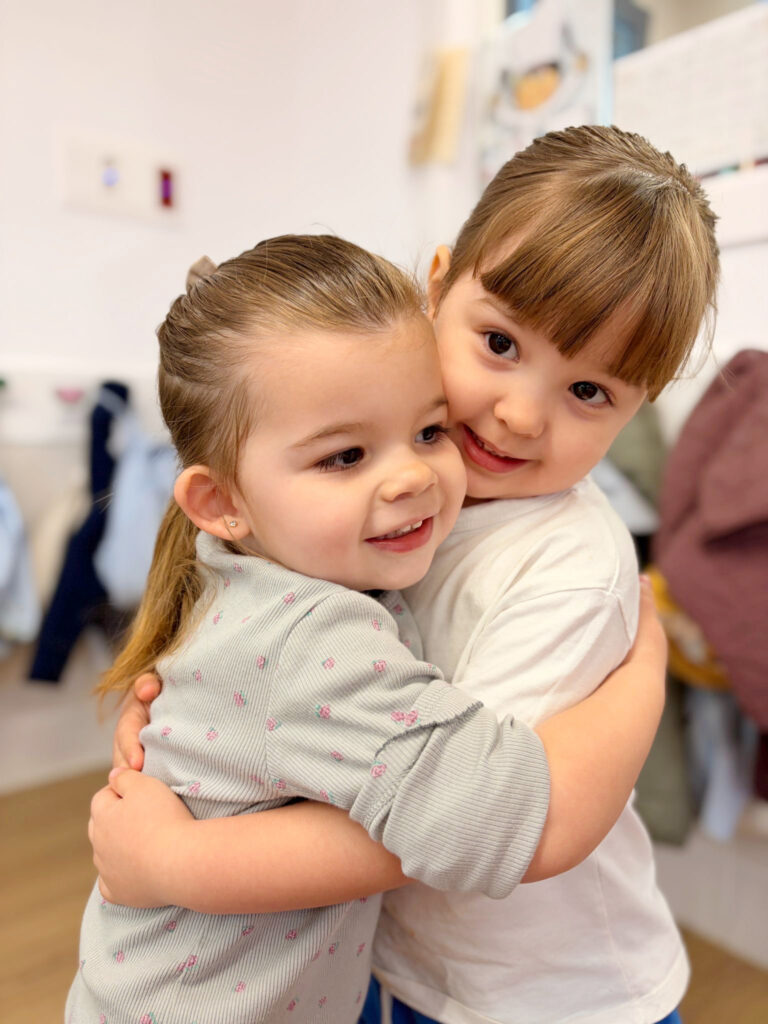
What’s our role as school and families? What are our challenges? What can we do as a community to boost our children’s development?
Language development is closely related to the quality of interactions. Both the family and the school are privileged spaces for offering meaningful communicative experiences.
It is important to:
• Speak slowly and use clear sentences.
• Listen attentively and respect turn-taking.
• Name what happens in everyday life.
• Put emotions into words.
• Rephrase correctly without negative correction.
Emotional bonding and a sense of security are the foundations that allow language to flourish.
Language is not taught; it is built through relationships. Supporting language development between the ages of 0 and 3 means offering time, listening, words, and affection. When families and schools work together, children grow in a safe environment where communication is both a pleasure and a necessity.