


The arrival of a new baby is an exciting moment for any family. It brings joy, curiosity, and a sense of new beginnings. However, for an older child, this change can also create questions, strong emotions, and a bit of uncertainty. As a school community, we want to support families during this transition and offer some guidance to help everyone experience this stage with confidence and calm.
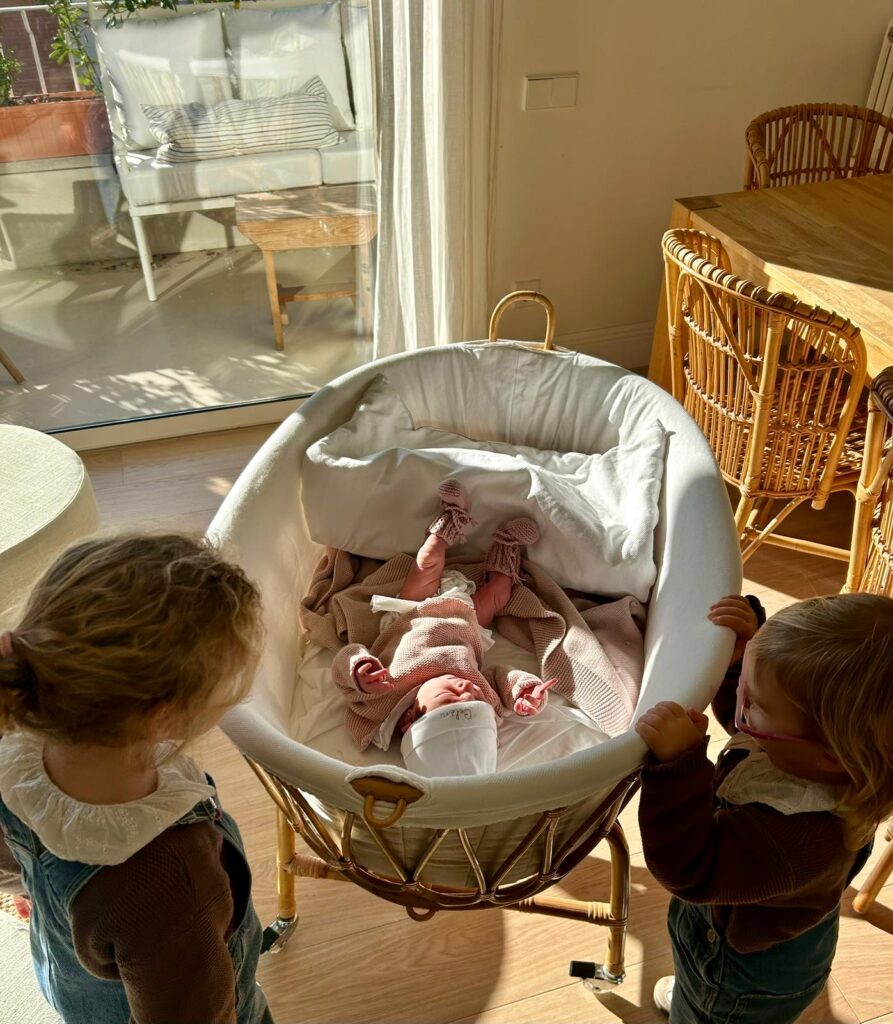

1. Talk about the baby naturally.
Children feel more secure when they understand what is happening around them. Explain, in age‑appropriate language, what it means to have a new sibling, what newborns are like, and how daily routines might change. Encourage your child to ask questions, and respond with patience.
2. Involve them in the process.
Giving older siblings small responsibilities can help them feel important. They might help prepare the baby’s room, choose a toy, or think of a name. These simple actions reinforce their role within the family.

3. Acknowledge their feelings.
It is normal for children to experience a mix of emotions: excitement, jealousy, curiosity, or frustration. Let them know that all feelings are valid and that you are there to listen. This strengthens trust and supports emotional development.
4. Keep routines consistent.
Consistency provides stability. Try to maintain daily routines such as bedtime, playtime, or special one‑on‑one moments with each parent. Even short moments of focused attention can reinforce the bond.
5. Highlight the role of being an older sibling.
Share stories about their own early days, look at photos together, and remind them how you celebrated their arrival. This helps them understand that the new baby will also be welcomed with love.
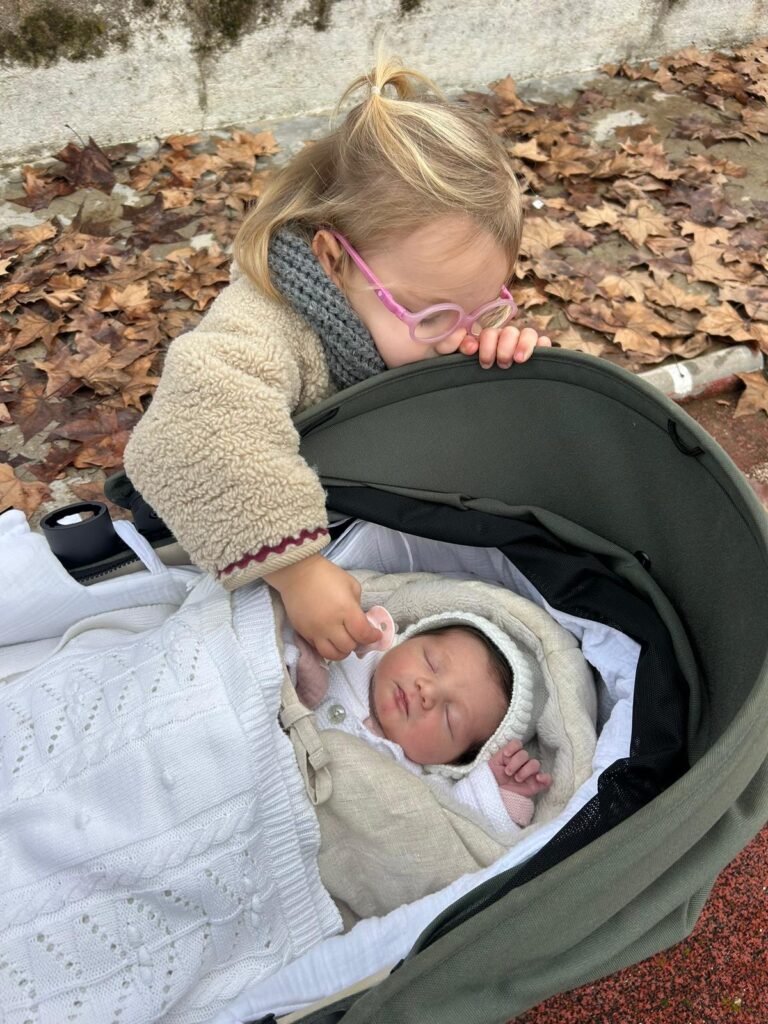
6. Encourage shared moments.
Invite your child to interact with the baby in gentle, age‑appropriate ways—singing a song, showing a favourite book, or simply observing the baby together. These small moments can help build a meaningful connection.